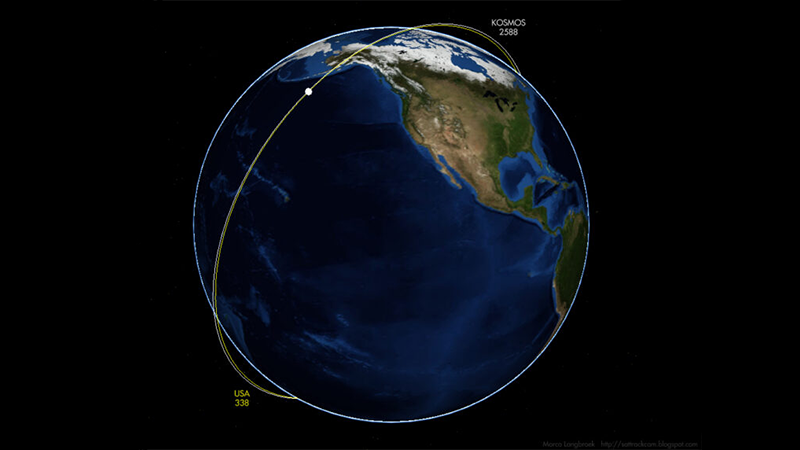
Russia’s new Cosmos satellite orbiting near US sat, piques ASAT fears
Based on its orbital pattern, independent astronomer Marco Langbroek said he suspected the new satellite is joining other Russian "sleeping interceptors."
Based on its orbital pattern, independent astronomer Marco Langbroek said he suspected the new satellite is joining other Russian "sleeping interceptors."

Under a new grant, the company will demonstrate to the Air Force's National Air and Space Intelligence Center its ability to take very high resolution images at night using a thermal infrared sensor.

Explore how software, edge AI and resilient connectivity can strengthen military logistics in contested environments. Join Breaking Defense on Oct. 21 and earn 1 CPE credit.

There may not be an agreement on where airspace ends and space begins, but experts say other questions floated during the balloon saga have down-to-earth answers.
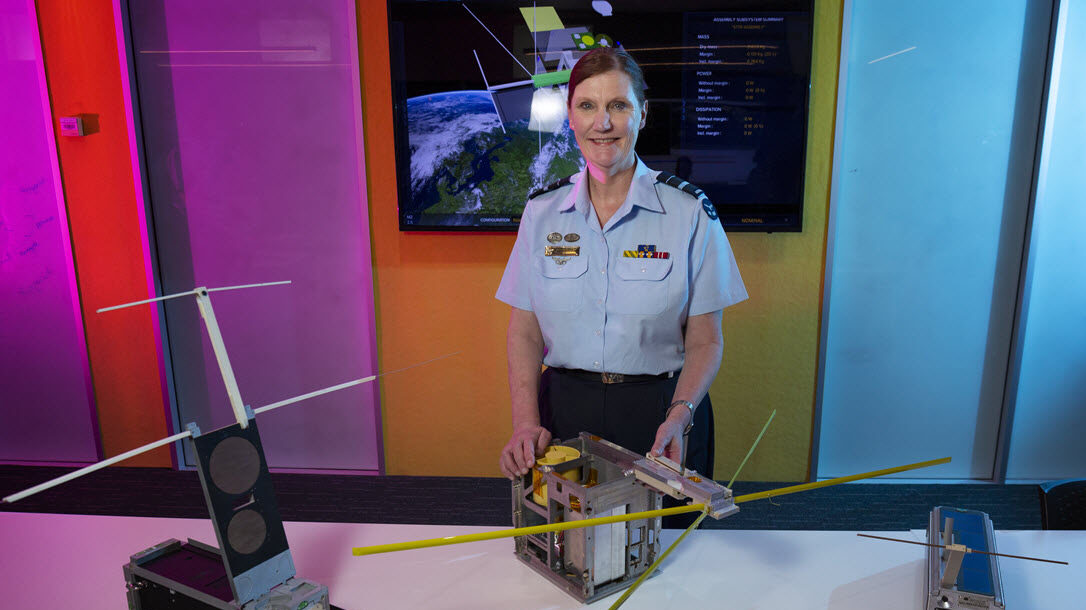
“I think it's really important that we start contributing. We've got a couple of little satellites up there,” said Air Vice Marshall Cath Roberts, “but space domain awareness is where we can start and we need to operationalize it because we are so far behind.”
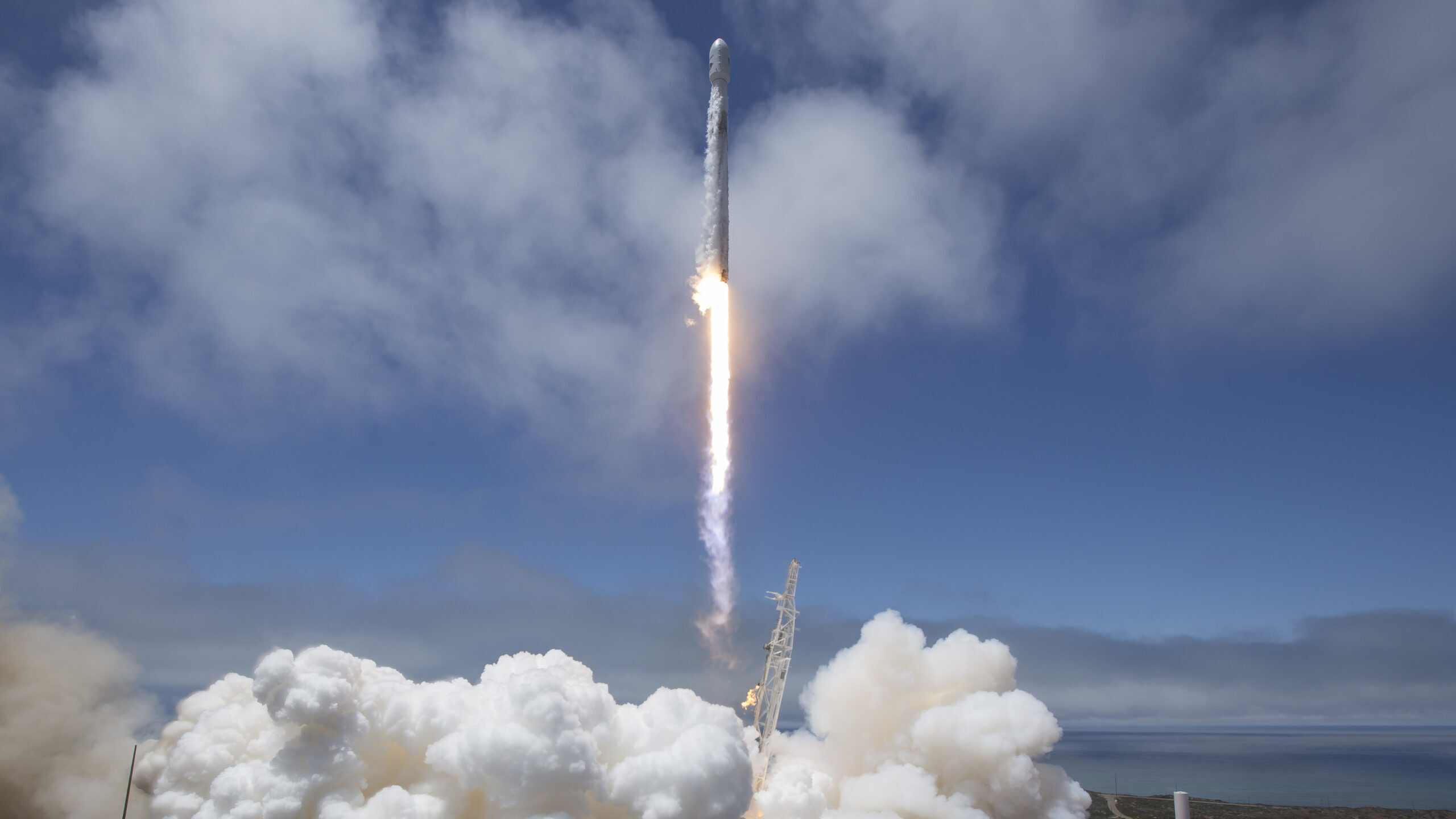
Ahead of the Wednesday launch, mystery surrounds what the mission of NROL-87 is. NRO never talks about the purpose of specific satellites, period, but the payload will be launched to an orbit consistent with that of an imaging satellite.

"The Army needs information when and where they want it," said Rob Zitz, a former Army intel official. "The IC should not get a vote on what Army needs or how Army executes combat missions."

GE Aerospace’s investments in the F110 are paying off in both production and delivery performance.
Human rights literally disappeared from former President Trump’s National Security Council (NSC) when he dropped the term from the position once known as the special assistant to the President for multilateral affairs and human rights. President Biden has appointed a new coordinator for democracy and human rights in the NSC. This firmly reestablishes the issue […]
"This language from the SASC serves notice that they intend to keep a close eye on the NRO’s commercial remote sensing program," observed Keith Masback, a former senior defense and intelligence official.

DoD officials are extremely aware, almost to the point of paranoia, that even discussing the issue of NRO potentially being subsumed by the Space Force is playing with fire.

"[T]he trend is that a larger percentage of our work will be able to be accomplished using commercial systems than in the past," says Gauthier.

The goal of such weaponization is to tie warfighter needs to the RDT&E cycle.
"You can't hide very well" in space, one industry official said, "So, I think the government is going to have to get over that, and recognize space is a free place."

CFSCC's mission includes executing "tactical control over globally dispersed Air Force, Army, and Navy space units that command satellites in every orbital regime."

"Right now space is a supporting element to a geographic [component command] ... but that paradigm is going to flip over time, where the supported command -- the primacy, where the actions will happen first -- is going to be space," says Lt. Gen. Joseph Guastella, head of Air Force Central Command.
US Space Command will officially stand-up on Aug. 29, with four main missions: "missile warning, satellite operations, space control and space support," says JCS Chair Gen. Joseph Dunford.